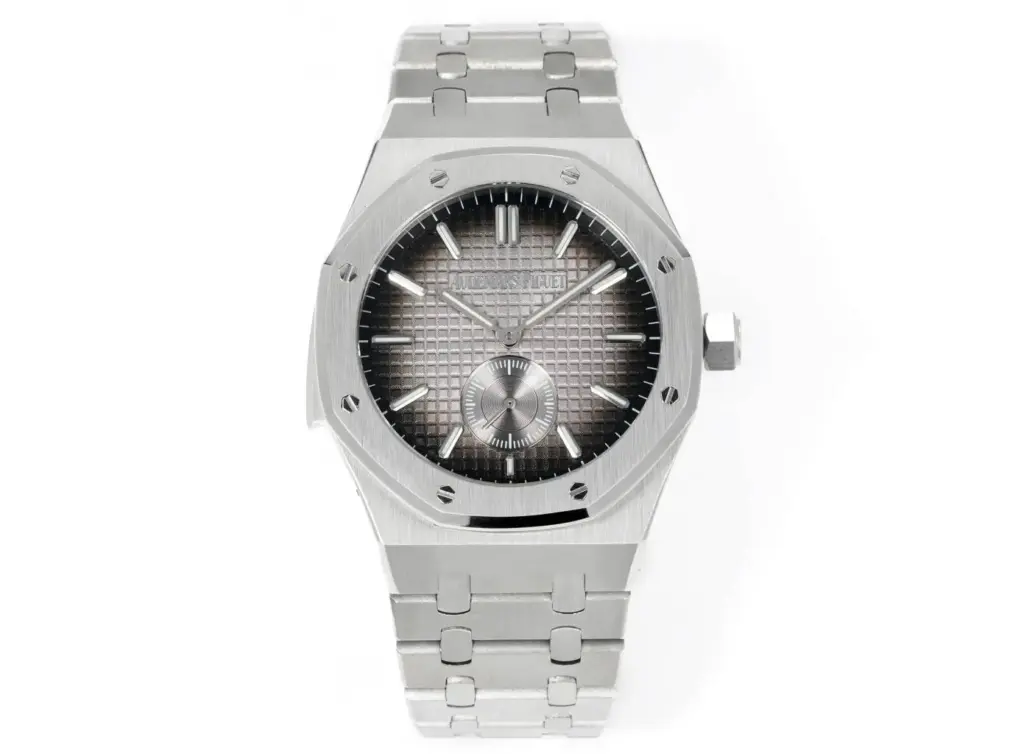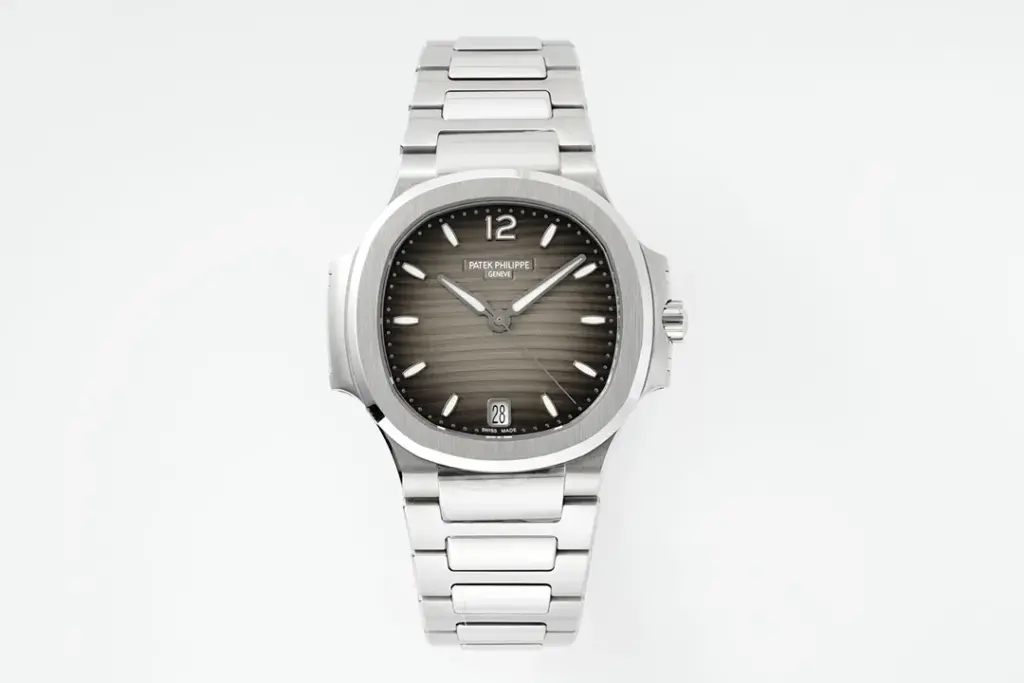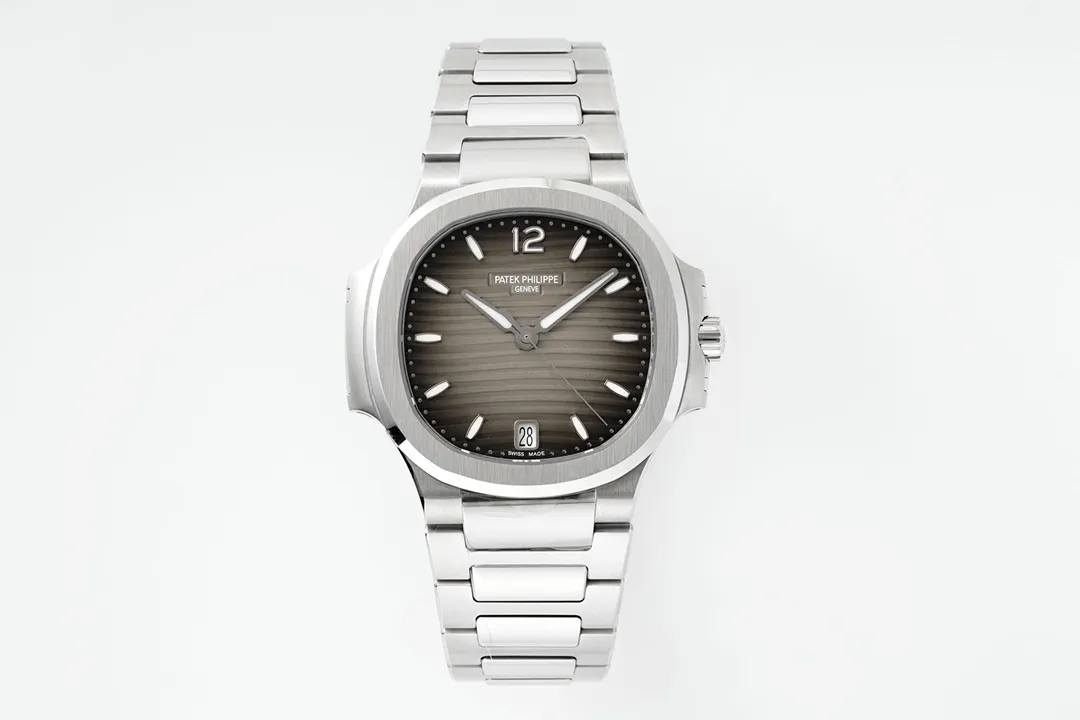
When a bracelet becomes part of the case’s outline, the watch reads as a complete object. That continuity is worth examining closely when comparing integrated-bracelet designs.
Start where the bracelet meets the case
Look at the first links and their relationship to the case. The angle, width and visible transition affect the overall silhouette, often as much as the dial itself.
Front photographs show continuity, while side views can reveal thickness and articulation. Use both when they are available rather than judging the design from a single image.
Compare surfaces and edges
A contrast between brushed and polished areas can define the shape of links and case edges. Notice where those surfaces meet and how the light changes across the photographs.
Visual finishing should be considered alongside dimensions and fit. A striking close-up does not tell you how the bracelet will adjust or how the clasp operates.
Fit deserves its own questions
Ask about bracelet sizing and the adjustment arrangement if these details are not listed. An integrated profile can make the relationship between case and bracelet especially important to comfort.
Keep questions specific to the SKU. Similar silhouettes can use different dimensions and link arrangements, and a collection name does not establish interchangeability.
Explore different interpretations
Within the Patek Philippe catalogue and Audemars Piguet range, the Nautilus and Royal Oak selections offer different ways to think about a continuous case-and-bracelet line. Compare their available product photographs and the details stated for each reference.
Browse Nautilus and Royal Oak listings as separate designs, not as interchangeable specifications.
Continue exploring
Browse brands and collections · Ask about a specific reference
Related reading
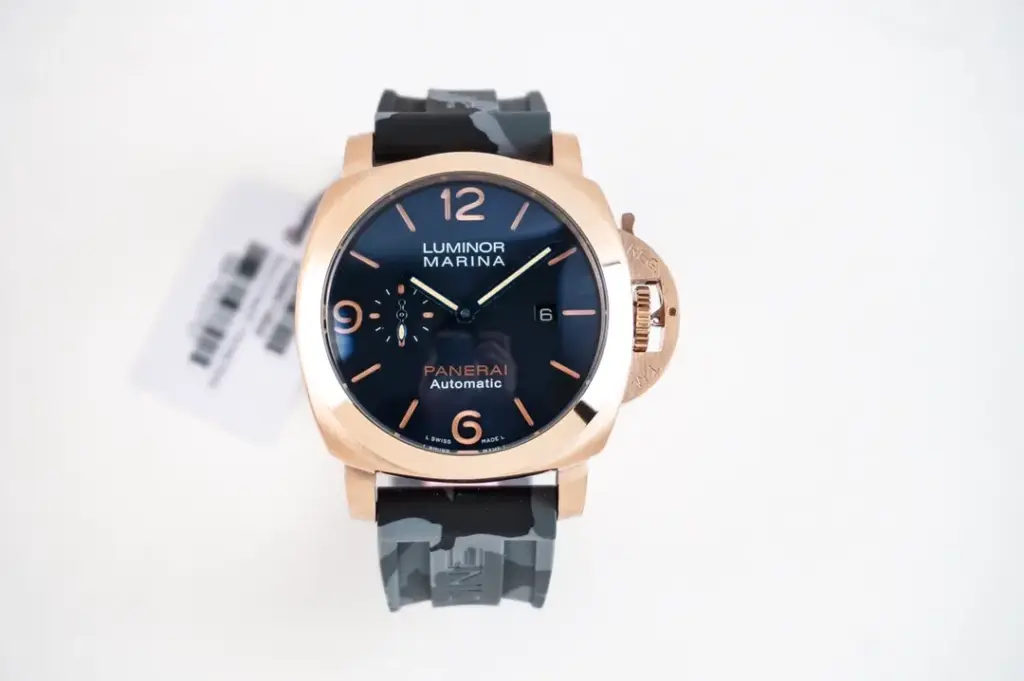
For another case-and-bracelet relationship, read the Constellation silhouette guide. Compare that continuity with a strap-led Luminor design without assuming shared dimensions or attachment systems.