VS Factory watches is a useful catalogue search phrase, but it should start a comparison rather than end one. A factory label, a brand collection and a seller's name identify different things. None of them, by itself, explains every component, dimension or function of the individual watch you are considering.
This guide explains how the label is used on vsfwatches.cx and how to turn it into a reference-specific shortlist. It is based on the current WooCommerce taxonomy and checked product records. It is not a factory inspection, a movement test or a claim of official affiliation with the original watch brands.
What the labels identify here
The VS Factory product group is a product-tag archive. At the catalogue check for this article, it contained 153 published product records. Published records are not a statement of physical stock availability. The number describes the assigned catalogue entries at that check, not a permanent inventory promise.
VSF watches can also appear in store branding or imported marketing text. That wording should not automatically be treated as the verified factory identity of every product on this domain. A product's actual tag assignment is a more specific piece of catalogue information than the name at the top of the website, although an assignment is still a record rather than independent authentication.
Keep three columns in your notes: the product SKU, its commercial collection and its factory label. This simple separation prevents a broad brand page being mistaken for a factory-only selection. It also makes it easier to notice a title that appears inconsistent with its assigned category or tag, without silently deciding which part must be correct.
The distinction matters even when two titles sound almost identical. They may be separate entries with different photographs or different labels. Conversely, a repeated phrase may be marketing language rather than a technical distinction. Do not assume that a longer title represents a later version, better movement or higher level of verification.
Move from factory to brand and collection
VS Factory Rolex is a way to combine a factory interest with a brand interest. It is not a specification shared by every Rolex-style entry. Start with the Rolex range, decide which family interests you, then return to the factory tag or inspect the particular record's assignment. A collection page may contain products with several factory labels.
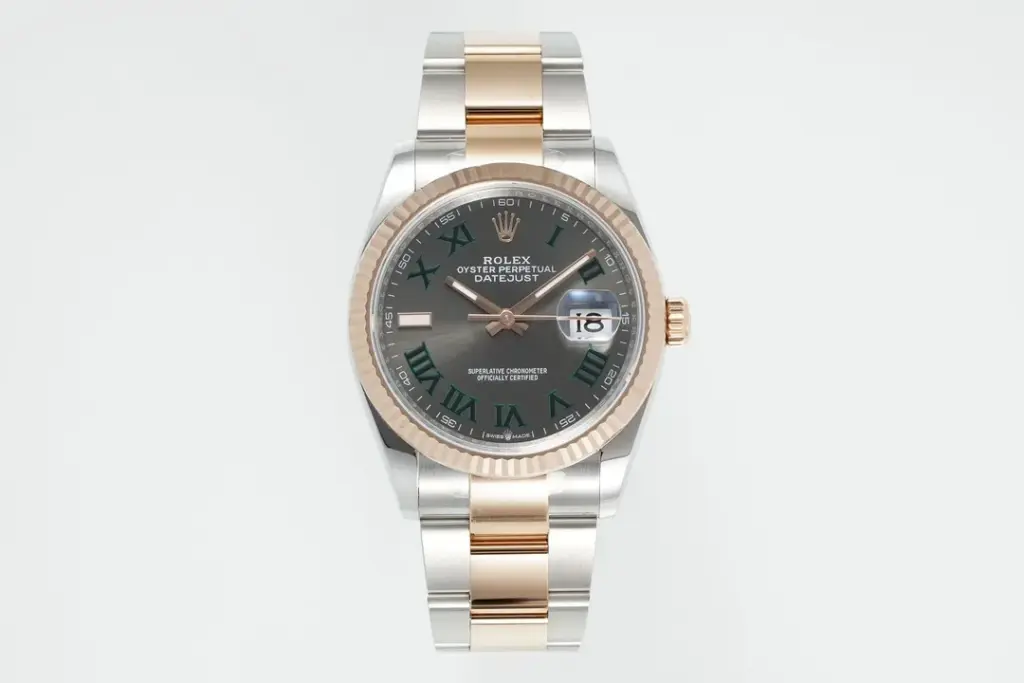
For example, the Datejust collection is a commercial destination for that family. Our checked SKU 35-719723 has Datejust and 36mm in its title and carries the VS Factory tag. Those recorded facts help identify a candidate; they do not supply unrecorded thickness, bracelet measurements or tested performance.
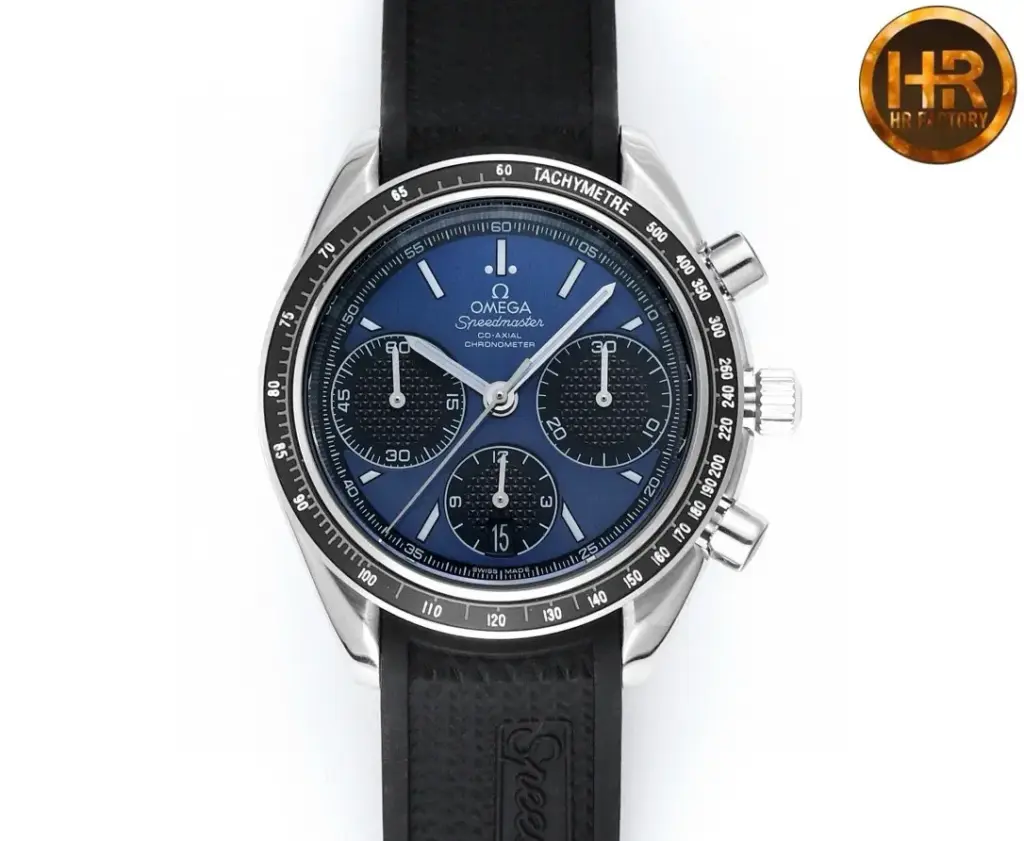
Apply the same method to VS Factory Omega. The Omega catalogue covers multiple collections. The two Speedmaster examples checked for our dial guide carry the VS Factory tag, but that common label does not establish that their functions or components match each other. Keep a collection-level comparison and a mechanism-level question separate.
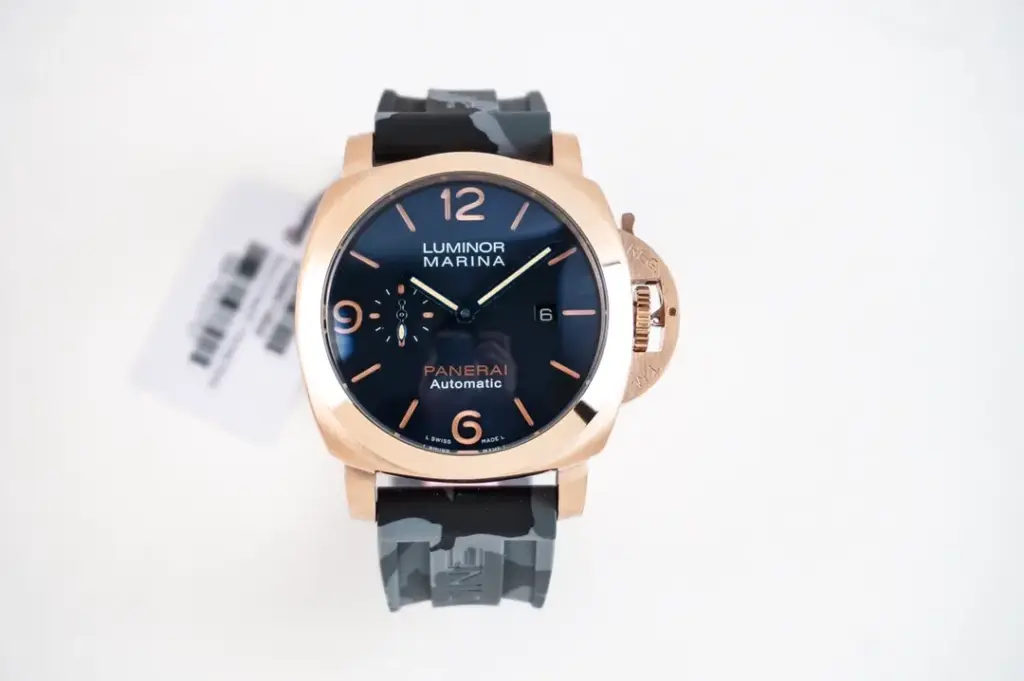
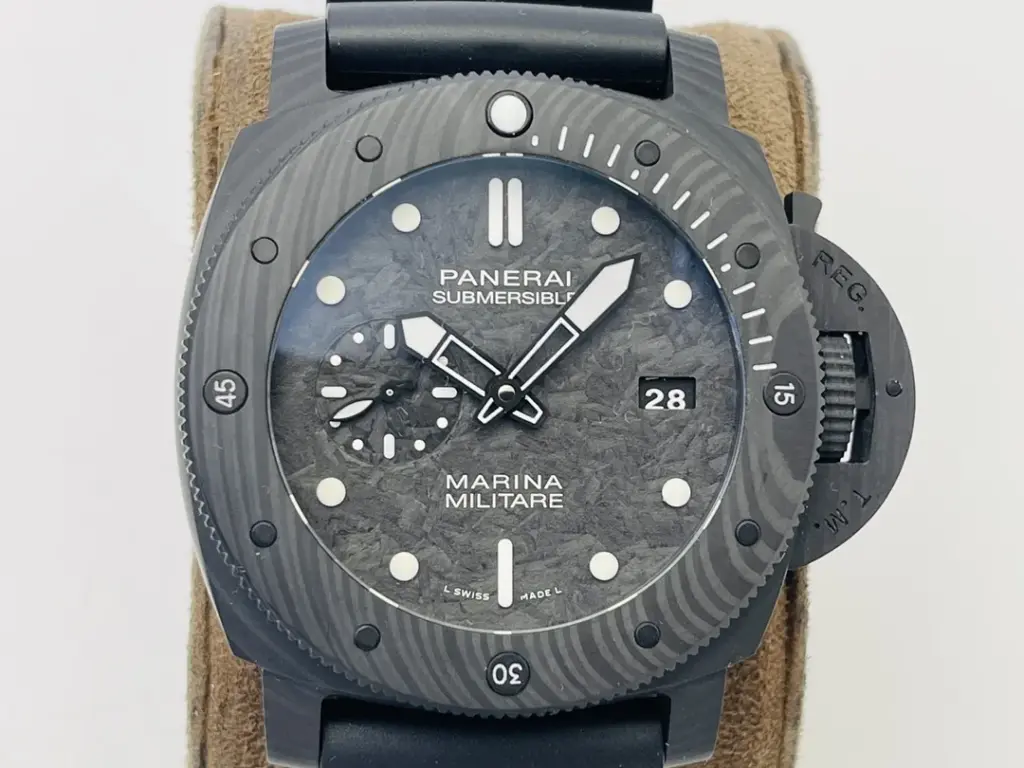
The Panerai selection illustrates another reason to check individual records. The Submersible example with SKU 35-720535 is tagged VS Factory. The Luminor example with SKU 35-249863 has no factory tag in the inspected record. The absence of that field should remain an absence, not be filled from the store name or the visual resemblance between two watches.
An evidence ladder for comparing VS Factory listings
Think of the available information in layers. Each layer answers a different question, and none should be promoted into a claim it cannot support. The objective is not to dismiss product descriptions; it is to read them with enough precision to know what still needs clarification.
| Information source | What it can establish in this guide | What it cannot establish alone |
|---|---|---|
| SKU and permanent product URL | Which catalogue record is being discussed | Physical authenticity or current availability |
| Assigned category and factory tag | How the store groups that record | Shared specifications for every grouped watch |
| Product title and written fields | What the record explicitly states | Independent verification of all stated materials |
| Product photographs | What the supplied views show | Accuracy, reserve or pressure-test results |
| Reference-specific confirmation | An answer tied to an identified candidate | An automatic guarantee for other SKUs |
Use this ladder when you encounter broad claims about a whole factory. A label cannot establish a uniform movement, power reserve or accuracy figure across unrelated collections. If a particular claim matters, ask which product it applies to and what supports it. This article deliberately provides no universal factory ranking or unsupported performance table.
Be especially careful when comparing descriptions copied into titles from several naming systems. A colour word may refer to a dial, a case finish or a strap; a reference-like string may be intended to identify an appearance. If the relationship is unclear, quote the exact wording in your question instead of resolving it by guesswork.
Ask a useful question about one SKU
A precise enquiry might say: I am comparing this SKU with that SKU; which case measurements are actually stated, which functions are confirmed, and are the photographs attached to each exact configuration? This is more answerable than asking whether every watch from one factory is the best.
Write down what is missing as well as what is present. If a record does not clearly establish movement identity, do not borrow one from a genuine-brand specification or a similar listing. If a title includes a material term, distinguish that recorded wording from an independent test. If water use is relevant, ask about the particular watch's condition and appropriate guidance rather than relying on diving-inspired styling.
For practical comparison, limit the first shortlist to a few candidates in the same family. Compare their supplied views at similar scale and record which measurements you still need. Only after that should you widen the shortlist across different collections. Otherwise, changes in dial layout, proportions and strap style can conceal the question you originally wanted to answer.
Finally, read price and availability on the live product page when making a decision. This guide does not freeze those changing details into an editorial claim. Saving an old screenshot of a general factory archive is not a substitute for checking the current record that you intend to discuss.
FAQ
Does the website name mean every product is VS Factory?
No. The store name and a product's factory taxonomy are distinct. This catalogue includes other labels and records without a factory tag. Inspect the exact listing rather than assigning the store name to every product.
Is a VS Factory tag proof of a particular movement?
No. It records a grouping in this catalogue. Movement identity and operating details need product-specific support; they should not be inferred from a tag that spans several brands and collections.
Are all VS Factory Rolex listings directly comparable?
Not automatically. Collection, dimensions, appearance and recorded functions may differ. Start within a relevant family and use each SKU to keep the available information from becoming mixed together.
Does an untagged product belong to a different factory?
An empty field does not establish any factory identity. It means this inspected record does not supply that label. Ask if factory attribution is important instead of filling the field yourself.
Does the catalogue count mean the watches are in stock?
No. The count concerns published records. Availability is a separate live product question and is not guaranteed by inclusion in an editorial guide or archive.
Related reading
See the Submariner display comparison for an example where date layout and factory label should not be confused. Our Speedmaster dial guide separates appearance from chronograph operation. The Luminor versus Submersible guide applies the same record-specific approach to Panerai family names.